Quote Originally Posted by Yuri352 View Post
Thank you friends for an interesting discussion!
Reading the forum, I assumed a similar view.
I will allow say my opinion.

1. Feeding of live frogs.
a) Parasites are known, they are very specific and are harmful particular species of frogs.
b) Infestation victims virtually impossible. Frogs can be intermediate hosts of the parasites to other animals (eg: mammals), but this does not apply to others frogs.
c) Any predator has a strong immunity to viral and other diseases of the victims. Pacman - a real predator.
d) All feed frog caught in ecologically clean place.

2. Winter feeding seafood.
a.) Use molluscs that contain protein and micronutrient elements easy.
b) I do not understand why in marine molluscs should be a lot of salt (what kind of salt?).

For example, I also do not understand how Pacman feed crickets and cockroaches, if you look at the structure of Pacman.
picture №1
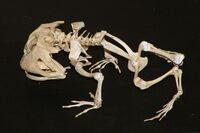
Image source Reptipedia, the Reptile and Amphibian Wiki

picture №2

Image source Wikimedia Commons

picture №3
https://imagizer.imageshack.us/v2/70...0/703/9vnv.jpg
Image source Skeleton of the week 26

The presence of strong skull, teeth and jaw strength indicates strong predator.
Cockroaches and crickets - is fodder for the weak frogs.

I said my opinion and it is good that you have other rules feeding Pacman, may be compared.
Thank you.
Crickets are more for young frogs. Young frogs are weak and so need a prey that is easily overpowered. They lack nutrition as a prey item and are really not a great choice. Adult pacman frogs should be fed larger prey, but only to an extent.

The presence of a large armored skull and dorsal shield are features of a strong predator. The skin is also rigid and tough to protect from injury from prey of the frog and from a predator.

They are frog eaters and readily feed on various frogs when available. I would be more worried about disease rather than parasites.

I believe the salt content in question is from the mollusks coming from the ocean. As you know the ocean waters are high in salt, but sea creatures expell the salt from their cells through their gills. Content should be relatively low in salt, but perhaps should be checked. I believe squid expell it through their sciphon. Salt water is dangerous for land animals as it causes cells in their digestive tract to lose water and shrink causing severe illness and possible death.

I do not have knowledge of your winter food source being harmful so I cannot really say that you will have any issues. Food size is an issue though. Try not to feed overly large prey items. In the wild they have been found dead with prey that is too large stuck in their mouth. The frog sufficated because it was unable to spit out the prey. Vomitting is also bad because they have to prolapse their stomach to do so and if there are complications that do not allow the frog to place the stomach back inside, the frog will die.

Thank you for sharing. This forum relies on caution to protect the well being of member's animals.

Earthworms make a good nutritious food for your frog if you would like to add those to your frog's diet. Roaches are also nutritious. Protein is good for them, but remember nutrition is about balance. Too much of one molecule and not enough of another can be harmful.